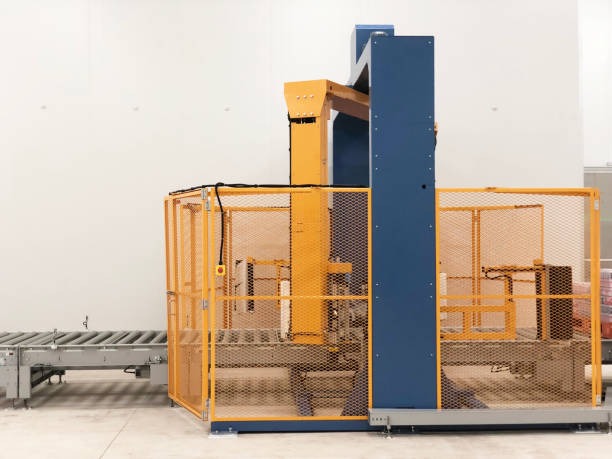
Efficient freight handling requires more than moving products from one location to another. Warehouses must understand what they are handling, how much space it occupies, and how it should be transported. A pallet dimensioner machine provides automated dimensional information that can help businesses answer these questions more quickly.
As supply chains become increasingly data-driven, companies are looking for ways to capture accurate information directly from physical freight. Automated dimensioning provides an opportunity to replace time-consuming manual processes with a faster and more consistent method.
Why Accurate Pallet Dimensions Matter
Pallets come in different sizes, and loads can include irregular packaging, stacked products, and materials that extend beyond the pallet footprint. Estimating dimensions can therefore create inconsistencies.
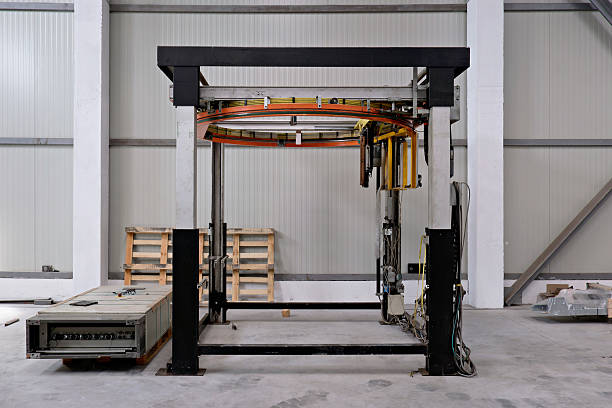
A pallet dimensioner machine measures the load according to the capabilities and configuration of the system. The resulting information can be used by warehouse and transportation teams for planning and verification.
The Cost of Inaccurate Information
Incorrect dimensions may create challenges in freight documentation, storage planning, transportation arrangements, and shipment verification. Even when individual errors appear small, repeated inaccuracies can accumulate across large shipment volumes.
Automated measurement provides a more standardized alternative.
Increasing Efficiency Through Automation
Manual measurement requires employees to perform several individual tasks. They must position the measuring device, determine each dimension, record the results, and potentially enter the information into software.
Automated equipment can reduce these steps.
A pallet dimensioner machine allows dimension capture to become part of the freight-handling process. This can reduce interruptions and help warehouse teams maintain a smoother workflow.
Operational Benefits for High-Volume Facilities
High-volume logistics operations need processes that remain efficient as shipment numbers increase. Automated dimensioning can support scalability because measurement capacity does not depend entirely on employees manually handling every measurement.
Several improvements can result:
- Faster freight measurement.
- More standardized dimensional records.
- Less repetitive manual work.
- Better access to digital measurement information.
For organizations processing substantial pallet volumes, a pallet dimensioner machine can help create a more predictable measurement process.
Improving Transportation Preparation
Transportation teams need to understand the dimensions of freight before determining how loads can be arranged. Accurate measurements provide useful information for trailer, container, and staging decisions.
A pallet dimensioner machine can capture these measurements earlier in the warehouse workflow, giving planners more dependable data.
Supporting Better Load Organization
Efficient loading requires careful consideration of pallet footprints and heights. When dimensions are accurate, planners can assess available capacity more effectively.
Although automated measurement does not replace the need for proper load-planning procedures, it provides better information on which those procedures can be based.
Helping Warehouses Manage Space
Storage is another area where accurate dimensions can create operational value. Warehouses need to know whether pallets can fit into designated locations and how different freight profiles affect available capacity.
Automated dimensional data can support these decisions.
A pallet dimensioner machine may also be useful when businesses want to build historical records of freight dimensions. These records can reveal patterns in product sizes and help organizations evaluate storage requirements over time.
Creating Better Digital Workflows
Modern logistics operations increasingly rely on digital systems. Warehouse management platforms, transportation systems, inventory databases, and shipping applications all depend on accurate information.
When measurement equipment is integrated into these systems, dimensional data can become part of an automated information pipeline.
Reducing the Gap Between Physical and Digital Operations
One of the major goals of warehouse technology is to make physical activities visible in digital systems. A pallet enters a facility, moves through processing, gets measured, and is assigned to a storage or shipping activity.
The pallet dimensioner machine can provide the measurement component of this process. When combined with identification and weighing technologies, it can contribute to a more complete digital profile of each shipment.
Evaluating the Right Technology
Businesses should carefully evaluate their requirements before selecting automated dimensioning equipment. Important considerations include pallet size ranges, expected throughput, measurement environment, software integration, maintenance, and installation requirements.
The system should be capable of handling the types of freight encountered in everyday operations. It should also fit naturally into the movement of goods rather than creating additional bottlenecks.
Conclusion
Accurate dimensional information is essential for efficient freight management. A pallet dimensioner machine can help businesses automate measurements, reduce repetitive work, support transportation planning, improve warehouse space management, and strengthen digital workflows. As logistics operations continue to adopt connected technologies, automated dimensioning can provide an important link between physical freight and reliable operational data.